
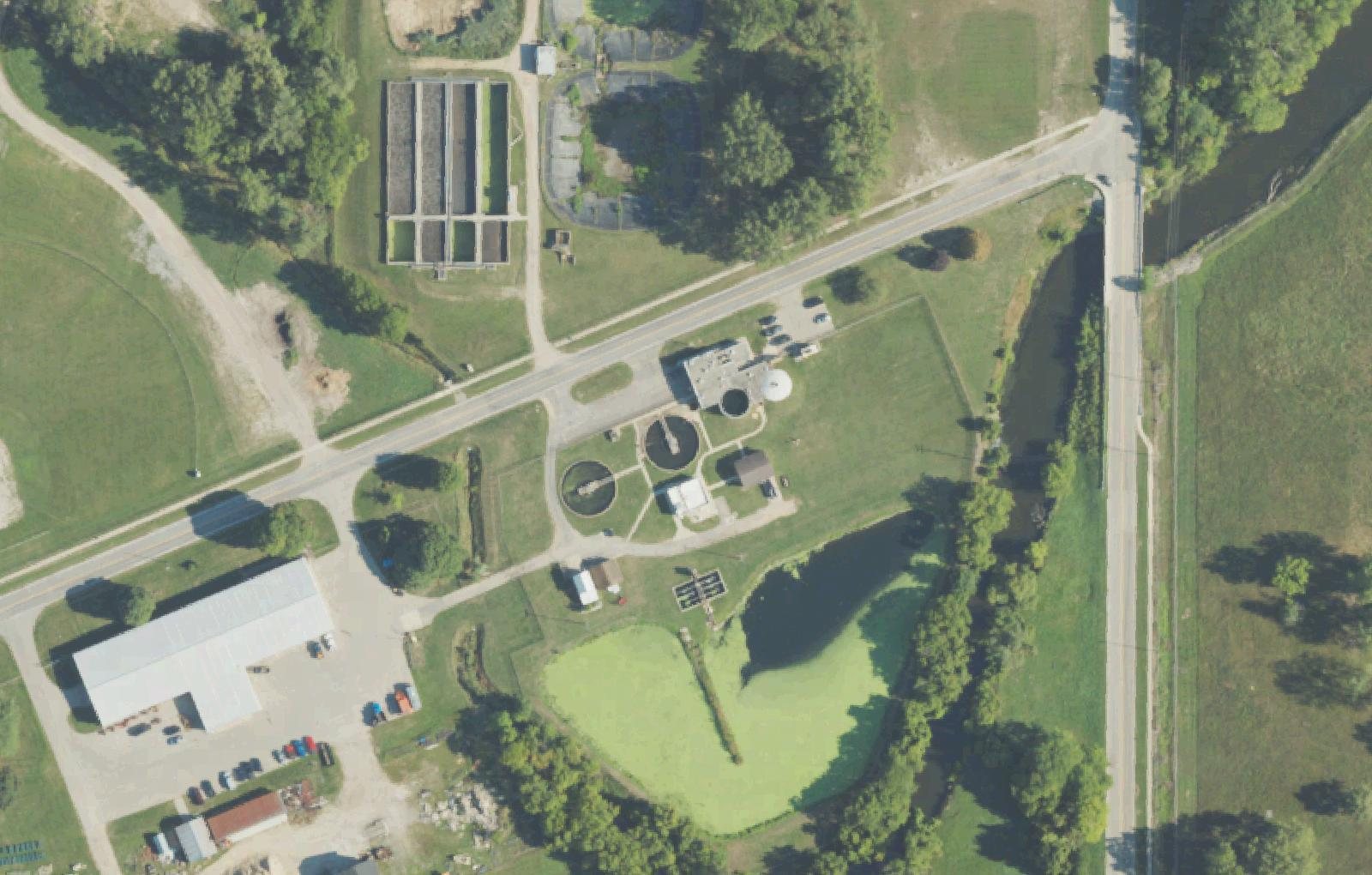
ALMA — The City of Alma says Michigan's Clean Water State Revolving Fund will cover the entire $40 million the city requested for a complete rehabilitation of its wastewater treatment plant.
According to a public notice still featured on the city's website, the Michigan Department of Environment, Great Lakes, and Energy informed Alma on July 13 that additional money had been added to its application. The notice lists three pieces.
The largest is a traditional revolving-fund loan of $31,208,000, which the city says grew by $16,965,000. The second is a $3,592,000 loan through the federal Bipartisan Infrastructure Law, which did not change. The third is $5,200,000 in principal forgiveness, up by $2,535,000. Principal forgiveness is the portion a community does not have to pay back.
Added together, the two loans come to $34.8 million, or 87% of the package. The forgiven share is 13%.
The plant serves all of Alma and parts of Arcada and Pine River townships, according to the city's wastewater department. It is designed to treat 2.5 million gallons a day and averages about 2 million, releasing treated water to the Pine River.
The department describes the facility as an activated-sludge plant with extended aeration. Incoming wastewater is mixed with bacteria and aerated for about 24 hours, solids are separated in two final clarifiers, and the water is disinfected with chlorine before spending about 36 hours in a polishing pond. The city says treated water makes up slightly more than 1% of the Pine River's flow and meets state and federal discharge limits. The department also maintains 11 lift stations, and about 1 million gallons of liquid sludge is applied to farmland each year.
Sewer customers have already seen one increase this year. The department's page says the City Commission voted May 12 to raise the usage rate from $4.00 to $4.20 per 1,000 gallons, effective July 1. The page does not say whether that increase is tied to the plant project.
That distinction matters to ratepayers. The city's notice says the funding “will directly affect the rates that must be charged to system users,” and describes the loans as low-interest. It credits city staff and the engineering firm Fishbeck for work on the application.